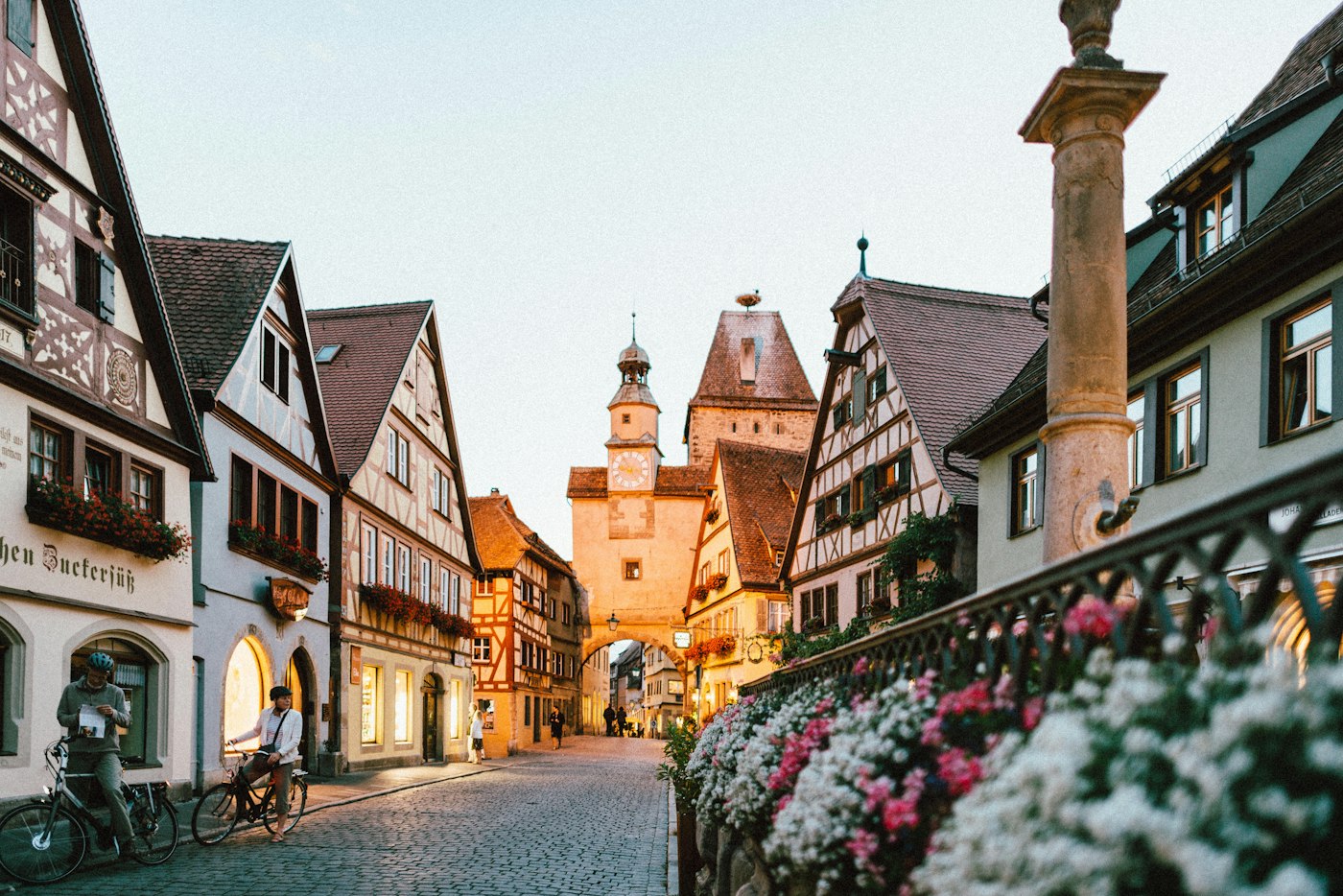
Top 5 Cheapest EU Countries
to Move to in 2026
Full EU rights, low cost of living, and a path to a European passport — these five countries offer the best value for expats looking to plant roots in Europe without breaking the bank.
Moving to the EU is one of the most powerful life decisions you can make. EU citizenship or residency gives you the right to live, work, and travel freely across 27 countries, access to world-class healthcare and education, and a stable legal framework that protects your rights.
But the EU is not a monolith. The difference in cost of living between Luxembourg and Bulgaria is staggering — you can live comfortably in Sofia on a budget that wouldn't cover rent in Amsterdam. This guide ranks the five most affordable EU countries for expats in 2026, based on monthly living costs, tax rates, visa accessibility, and overall quality of life.
Methodology: Monthly budget estimates are based on a single person living comfortably (not frugally) in the capital city, including rent, utilities, food, transport, and health insurance. Costs outside capital cities are typically 20–40% lower.
Quick Comparison
| Country | Monthly Budget | Income Tax | Visa Route |
|---|---|---|---|
| 🇧🇬 Bulgaria | €800 – €1,200 | 10% flat income tax | EU Residency |
| 🇷🇴 Romania | €900 – €1,400 | 10% flat income tax | EU Residency |
| 🇱🇻 Latvia | €1,000 – €1,600 | 20–31% progressive (0% corporate on reinvested profits) | Digital Nomad / TRP |
| 🇭🇺 Hungary | €1,100 – €1,700 | 15% flat income tax | White Card (Digital Nomad) |
| 🇵🇹 Portugal | €1,400 – €2,200 | NHR 2.0 (IFICI): 20% flat for 10 years | D7 / D8 Digital Nomad Visa |

Bulgaria
The Cheapest Country in the EU — Full Stop.
Bulgaria consistently ranks as the most affordable EU member state. Sofia, the capital, offers a cosmopolitan lifestyle at a fraction of Western European prices. A comfortable one-bedroom apartment in the city centre costs €400–€600/month, while a full restaurant meal rarely exceeds €10. Bulgaria's flat 10% income tax is one of the lowest in Europe, and as an EU member, you get full freedom of movement, access to the Schengen zone, and a path to a Bulgarian (EU) passport after 5 years.
Monthly Cost Breakdown
Pros
- + Cheapest EU country by cost of living
- + 10% flat income tax
- + Full EU rights and Schengen access
- + Growing tech and startup scene in Sofia
- + Stunning Black Sea coast and Rila mountains
Cons
- − Cyrillic alphabet learning curve
- − Slower bureaucracy
- − Less developed expat infrastructure outside Sofia
- − Winters in Sofia can be cold and grey
Visa & Residency Path
As an EU/EEA citizen, you can move freely. Non-EU nationals can apply for a Type D long-stay visa, then a temporary residence permit. After 5 years of continuous legal residence, you can apply for permanent residency and eventually Bulgarian citizenship.

Romania
Fast Internet, Low Costs, and a Surprising Quality of Life.
Romania punches well above its weight. Bucharest has some of the fastest internet speeds in the world, a vibrant nightlife scene, and a growing tech industry. Cluj-Napoca, the second city, is fast becoming a European tech hub. Like Bulgaria, Romania levies a flat 10% income tax. Rent in Bucharest city centre runs €500–€800/month for a one-bedroom, while outside the capital you can find quality apartments for €300–€450/month. The country's Carpathian mountains and medieval Transylvania region are a bonus for outdoor enthusiasts.
Monthly Cost Breakdown
Pros
- + World-class internet speeds
- + 10% flat income tax
- + Thriving tech and startup scene
- + Rich culture and stunning countryside
- + Full EU rights and Schengen access
Cons
- − Bureaucracy can be slow and complex
- − Infrastructure outside major cities is patchy
- − Language barrier (Romanian is Latin-based but distinct)
- − Bucharest traffic is notoriously bad
Visa & Residency Path
EU/EEA citizens move freely. Non-EU nationals can apply for a long-stay visa (Type D) followed by a temporary residence permit. Romania is expected to join Schengen fully in 2025–2026, which will further ease travel.
Latvia
A Baltic Gem with EU Rights and a 0% Corporate Tax Advantage.
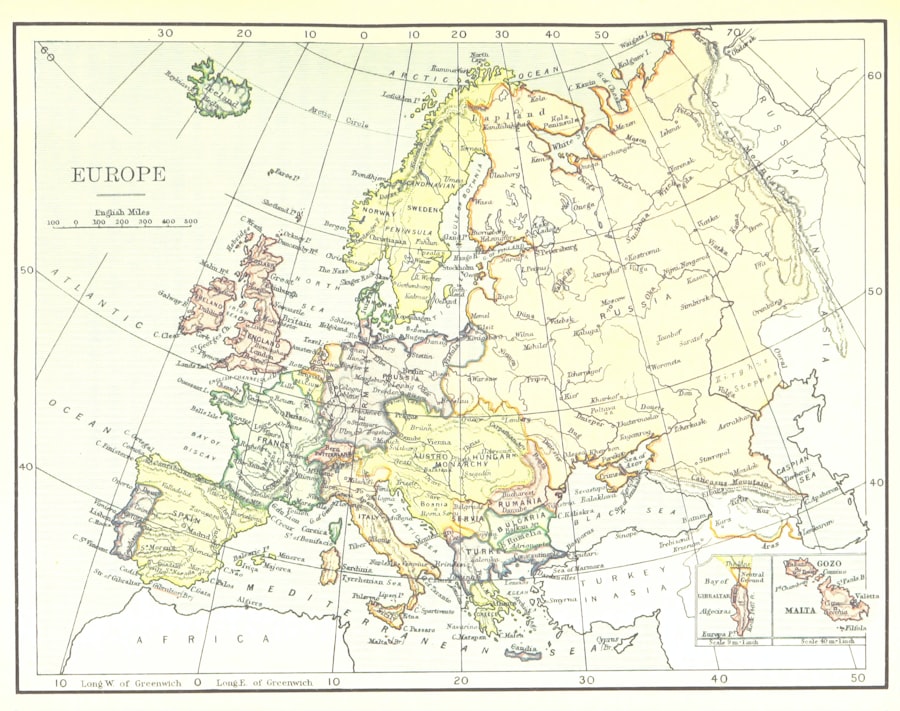
Latvia sits in the sweet spot between affordability and quality of life. Riga, the capital, is a UNESCO-listed Art Nouveau masterpiece with a thriving café culture, excellent healthcare, and a growing international community. While personal income tax is progressive (20–31%), Latvia's 0% corporate tax on reinvested profits is a major draw for business owners and freelancers who structure their income through a company. Monthly living costs in Riga run €1,000–€1,600 for a comfortable lifestyle.
Monthly Cost Breakdown
Pros
- + 0% corporate tax on reinvested profits
- + Full EU rights and Schengen access
- + Beautiful Riga with rich architecture
- + Strong English proficiency
- + Digital Nomad Visa available
Cons
- − Cold, dark winters
- − Smaller expat community than Western Europe
- − Progressive personal income tax
- − Limited direct flights from some regions
Visa & Residency Path
Latvia offers a Digital Nomad Visa for non-EU remote workers, as well as employment and self-employment TRPs. EU citizens move freely. After 5 years, permanent residency and a path to Latvian (EU) citizenship.
Hungary
Budapest: Europe's Most Underrated Capital at a Fraction of the Price.
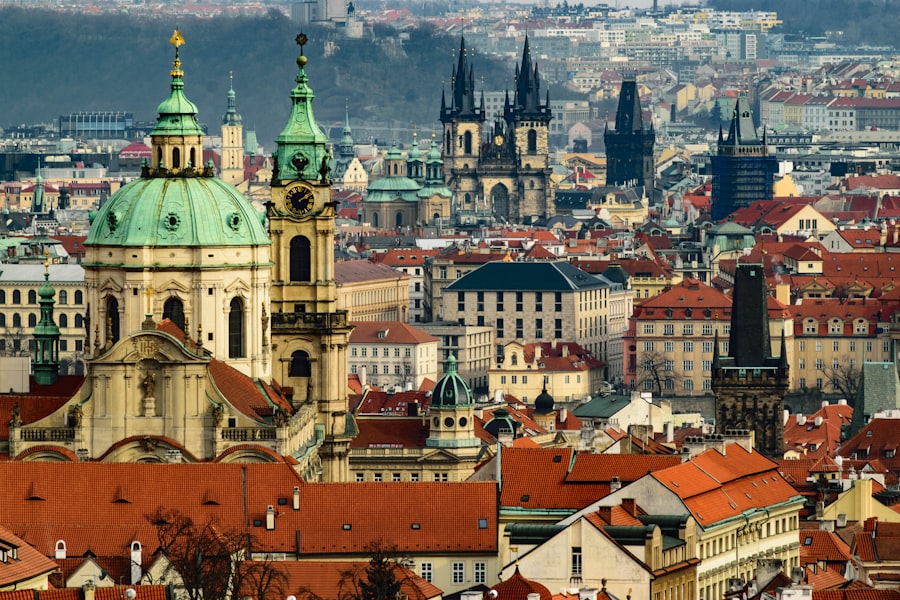
Budapest is routinely voted one of Europe's most beautiful cities, yet costs a fraction of Vienna, Prague, or Warsaw. Hungary's 15% flat income tax is among the lowest in the EU. The White Card (Hungary's digital nomad visa) allows remote workers to live legally for up to 2 years. Rent in central Budapest runs €600–€900/month for a one-bedroom, while the thermal bath culture, world-class restaurants, and vibrant nightlife make it a genuinely high quality-of-life destination at a low price point.
Monthly Cost Breakdown
Pros
- + 15% flat income tax
- + Stunning Budapest architecture and culture
- + White Card digital nomad visa
- + Full EU rights and Schengen access
- + Excellent food and thermal bath culture
Cons
- − Hungarian is notoriously difficult to learn
- − Political climate can be polarising
- − Bureaucracy in Hungarian only
- − Winters are cold
Visa & Residency Path
Hungary's White Card allows non-EU remote workers to stay for up to 2 years (renewable). EU citizens move freely. After 8 years of legal residence, you can apply for Hungarian citizenship — one of the longer timelines in the EU.
Portugal
The Most Popular Expat Destination in Europe — and Still Worth It.
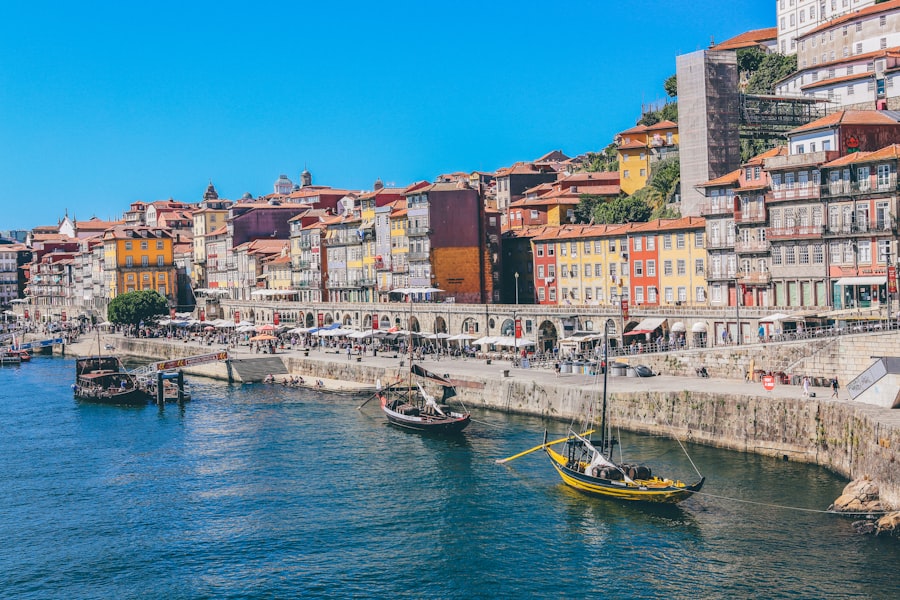
Portugal is the most expensive country on this list, but earns its place thanks to the NHR 2.0 (IFICI) tax regime — a flat 20% income tax for 10 years for qualifying new residents. When you factor in the tax savings, Portugal becomes extremely competitive for higher earners. Lisbon and Porto have seen significant rent increases in recent years, but cities like Braga, Coimbra, Setúbal, and the Alentejo region remain genuinely affordable. The D7 passive income visa and D8 digital nomad visa are among the most accessible in Europe.
Monthly Cost Breakdown
Pros
- + NHR 2.0: 20% flat tax for 10 years
- + English widely spoken
- + Warm climate and Atlantic coast
- + Safe, welcoming culture
- + Path to EU passport after 5 years
Cons
- − Lisbon and Porto rents have risen sharply
- − Bureaucracy is slow (book appointments months ahead)
- − NIF and SEF/AIMA appointments are hard to get
- − Salaries are low if you work locally
Visa & Residency Path
The D7 (passive income) and D8 (digital nomad) visas are the most popular routes. Both require proof of income and lead to a Temporary Residence Permit (TRP), then Permanent Residency after 5 years, and Portuguese citizenship after 5 years.
Which Country Should You Choose?
Tightest budget (under €1,000/mo)
Bulgaria. It is the cheapest EU country by a significant margin, with a 10% flat tax and full EU rights.
Best for business owners
Latvia. The 0% corporate tax on reinvested profits is a game-changer for entrepreneurs and freelancers who operate through a company.
Best lifestyle for the price
Hungary (Budapest). Thermal baths, world-class food, stunning architecture, and 15% flat tax — Budapest delivers an exceptional quality of life at a low price.
Best for English speakers
Portugal. English is widely spoken, the culture is welcoming to foreigners, and the NHR 2.0 tax regime makes it very attractive for higher earners.
Best for digital nomads
Latvia or Hungary both offer dedicated digital nomad visas. Portugal's D8 is also excellent but requires higher income proof.
Ready to Go Deeper?
We have free in-depth relocation guides for Latvia and Portugal — covering every visa type, tax regime, housing market, healthcare system, and more.